
Honeywell (FSG – Flame Safeguard Group)
Honeywell Flame Safeguard Group (FSG) is at the forefront of burner safety and flame monitoring technology. With decades of experience in combustion control, FSG offers a comprehensive suite of high-reliability components — from microprocessor-based burner controllers to advanced electro-optical flame detectors. These products ensure precise and responsive detection of flame conditions, enabling safe startup, operation, and shutdown of industrial and commercial combustion systems.
Whether it’s for boiler plants, ovens, kilns, or process heaters, Honeywell FSG solutions are engineered to meet the stringent requirements of modern safety standards. Their modular design, diagnostic capabilities, and compatibility with a range of flame sensing techniques (UV, IR, rectification) make them a trusted choice across global industries.
Major Products
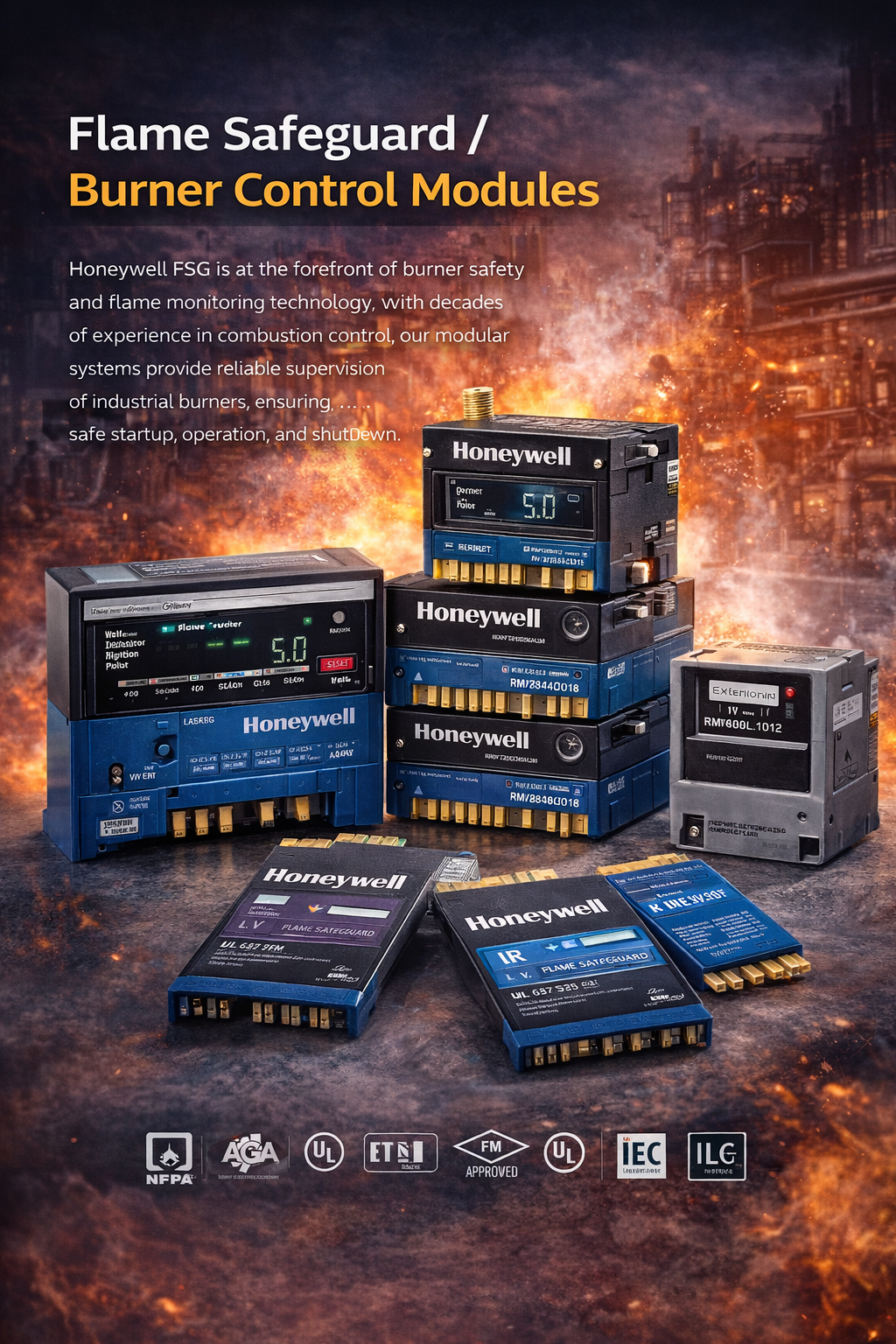
Flame Safeguard | Burner Control Modules
These are the “brains” of burner safety systems, managing ignition, flame supervision, fault detection, and shutdown.
- RM7800 Series: A modular, microprocessor-based flame safeguard controller for industrial burners (gas, oil, coal, or combination). It supports interchangeable amplifier modules, detailed diagnostics, event logging, and remote or local display.
- RM7800E2010: On-off burner control with grounding pin for electrical stability.
- RM7800M2011: Designed for modulating burners; supports UV, IR, or rectification sensing.
- RM7838B1013 / RM7838B1021: Semi-automatic controllers; the 1021 includes a valve-proving system (VPS) for added safety.
- RM7840 Series
Relay modules with built-in grounding pins for robust flame safeguard control. - RM7840L2026: Designed for on-off burner setups.
- RM7840G2022: Includes grounding pin, supports multiple flame detection methods.
- RM7840E2016: On-off control module with diagnostics, safety shut-down, and modularity.
- Amplifier Modules
Honeywell offers a number of plug-in amplifier cards for the RM7800 / RM7840 controllers. These allow the system to work with different flame sensors: UV, IR, rectification.
Flame Detectors
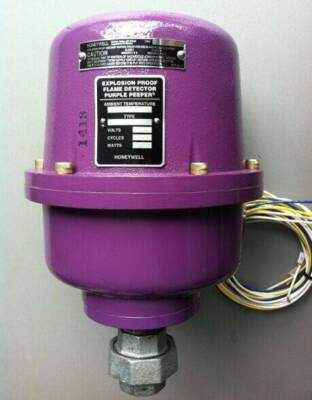
These detect the presence (or absence) of a flame via different physical principles (UV light, IR, or a combination)
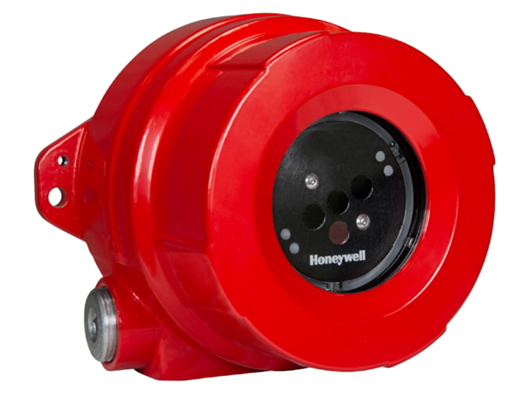
FSX Range
Built for industrial environments; robust housings available in aluminum or stainless steel. Available in UV/IR and IR3 variants.
FS20X Flame Detector
Uses integrated UV + IR sensing to detect both hydrocarbon and non-hydrocarbon fires. Offers long detection range (~200 ft) and high immunity to false alarms (e.g., from welding arcs).
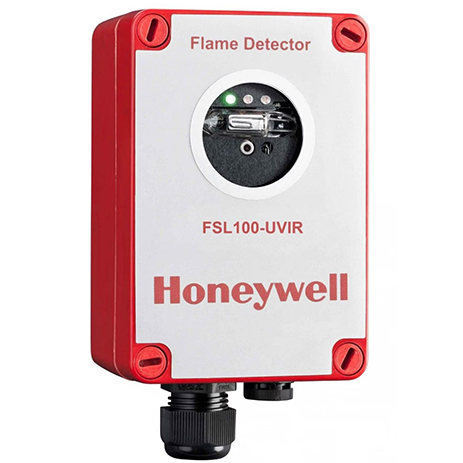
FSL100 Series
More suited for light industrial / commercial settings. Comes in rugged GRP housing, with quick response, automatic self-test, and multiple sensing modes (UV, UV/IR, IR3).
SS Series (SS-X)
These are sophisticated multi-spectral detectors
SS4 Flame Detector
Detects across UV, visible, and wide-band IR. Its signal-processing logic helps minimize false-alarms by requiring corroborating signals from multiple spectral bands.
SS2 Flame Detector
Ultra-fast response, wide 120° field-of-view, designed especially for high-risk or specialized applications (e.g., explosives, munitions).
FS7 Flame Detector
A multi-spectral infrared flame detector with two-stage response (“Alert” then “Fire”), RS-485 digital communication interface, FirePic™ memory (stores pre-event signature), and self-testing.
C7061F2001 Ultraviolet Flame Detector
Compact UV-only detector. Fast response (<0.2 s), IP65 rating, and reliability suitable for industrial flame safety systems.
Why It Matters (Value)
- Safety First: FSG products are built to provide reliable flame supervision and automatic shutdown in case of unsafe conditions.
- Modularity: The modular architecture (controller + amplifier + detector) allows flexibility and easy maintenance or upgrades.
- Diagnostic Power: Many of these systems record “FirePics” (pre-event data), fault history, and diagnostics, helping technicians troubleshoot and maintain more effectively.
- Standards Compliance: Honeywell’s FSG systems are designed to meet global safety and certification standards for combustion systems.